Why Kansas City Homeowners Choose Composition Roofing — and Why It Makes Sense
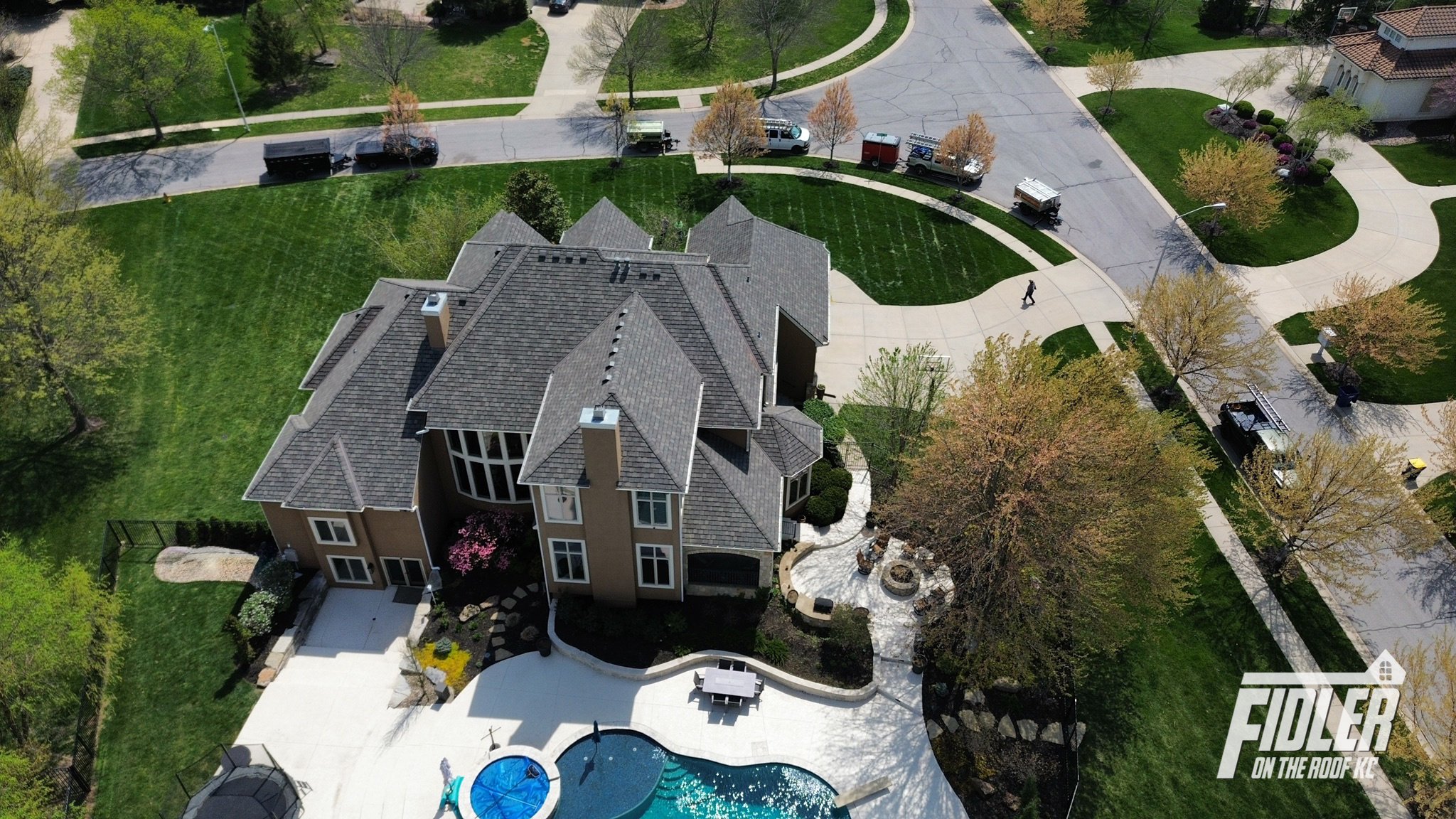
This common roof has uncommon possibilities – all while being kind to your budget.
Composition is the most common type of roofing in the United States. But it can stand out in uncommon ways.
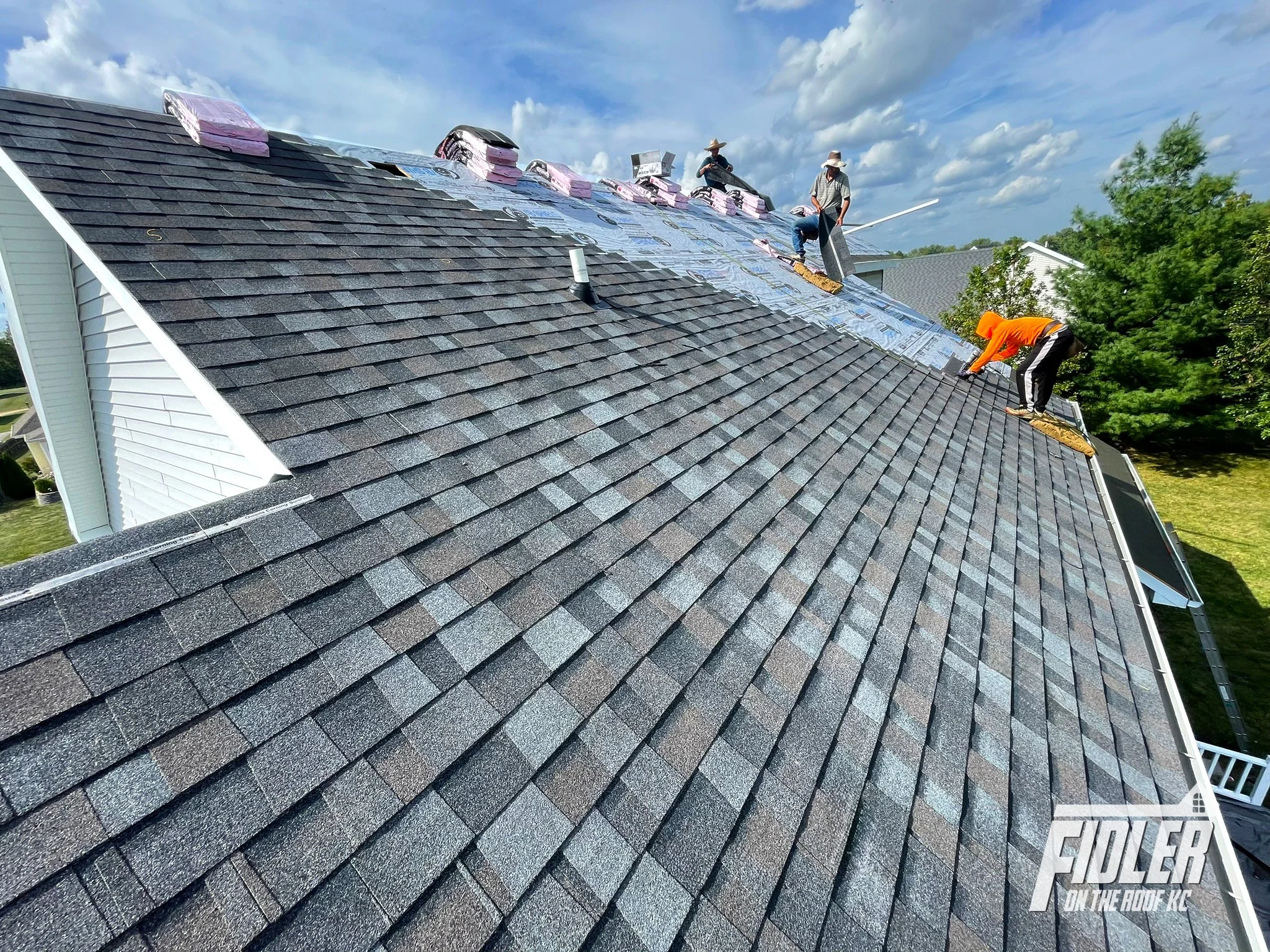
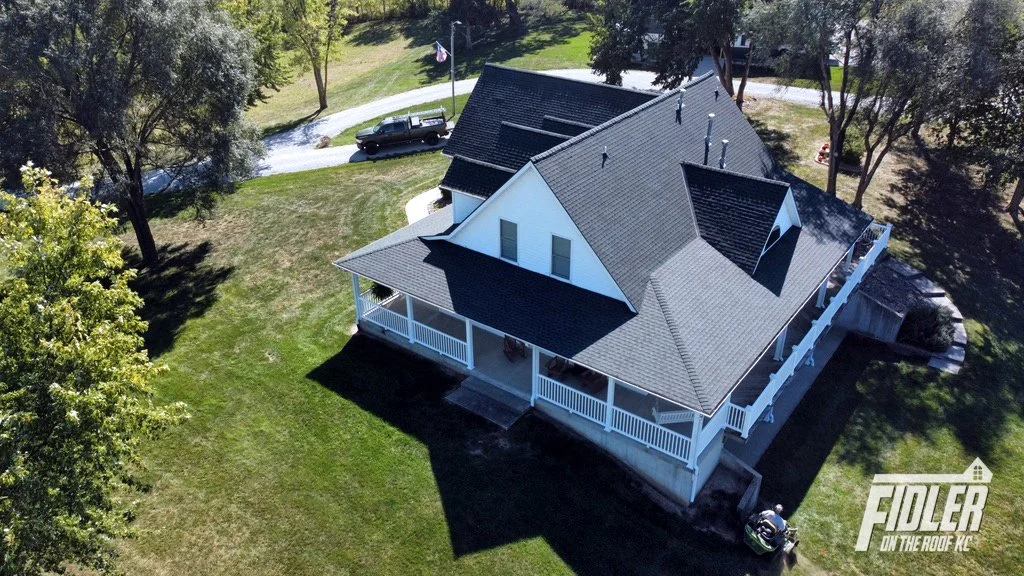
You may not be familiar with the industry term “composition.” It’s the type of shingle featured on most residential roofs and is sometimes referred to as asphalt. The name, however, is derived from the term “composite” – the blending of materials to form a whole. Ingredients include fiberglass, asphalt, minerals (such as limestone, basalt and granite) and sand. The combination results in a sturdy, durable and stylistic roof.
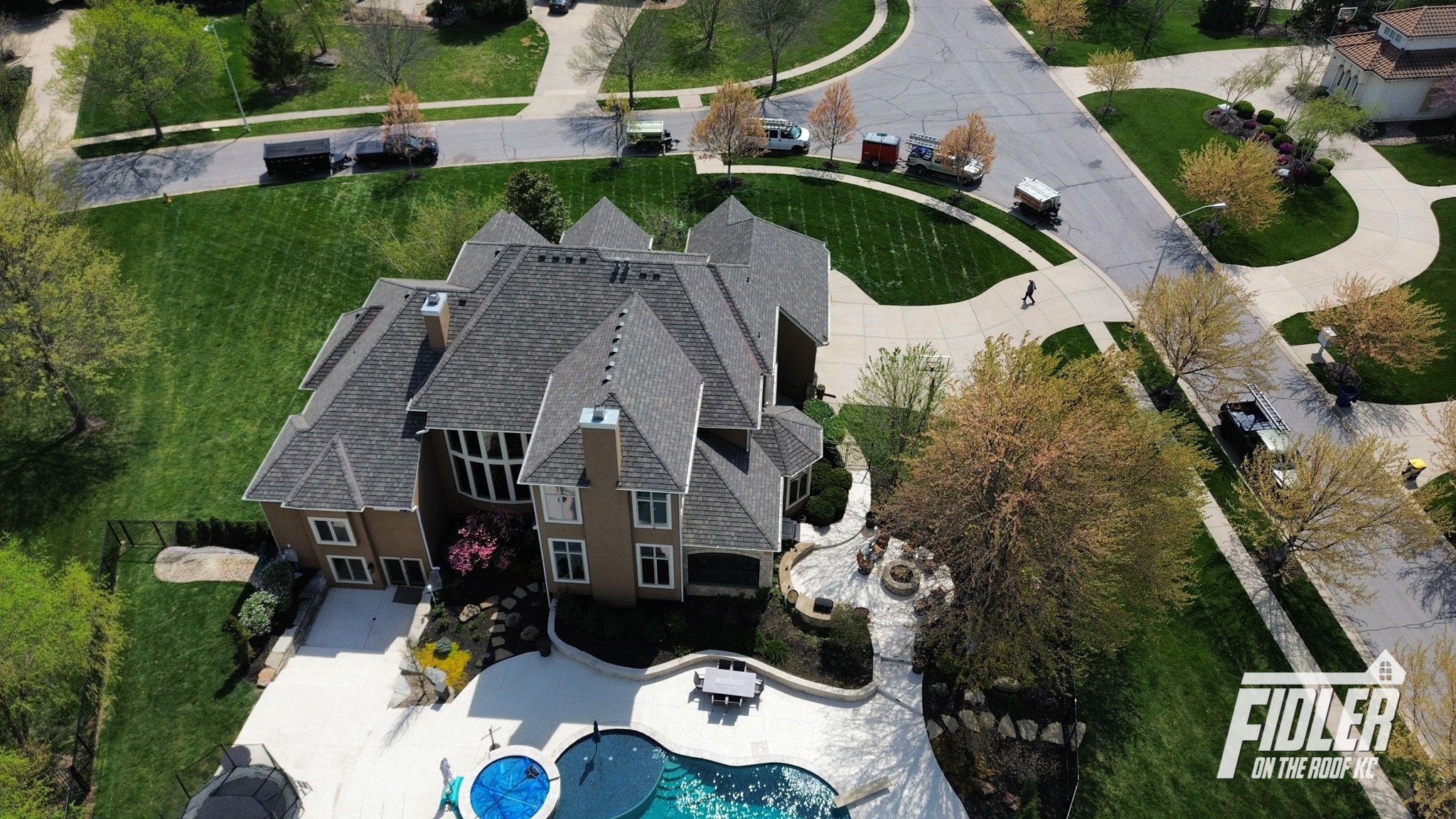
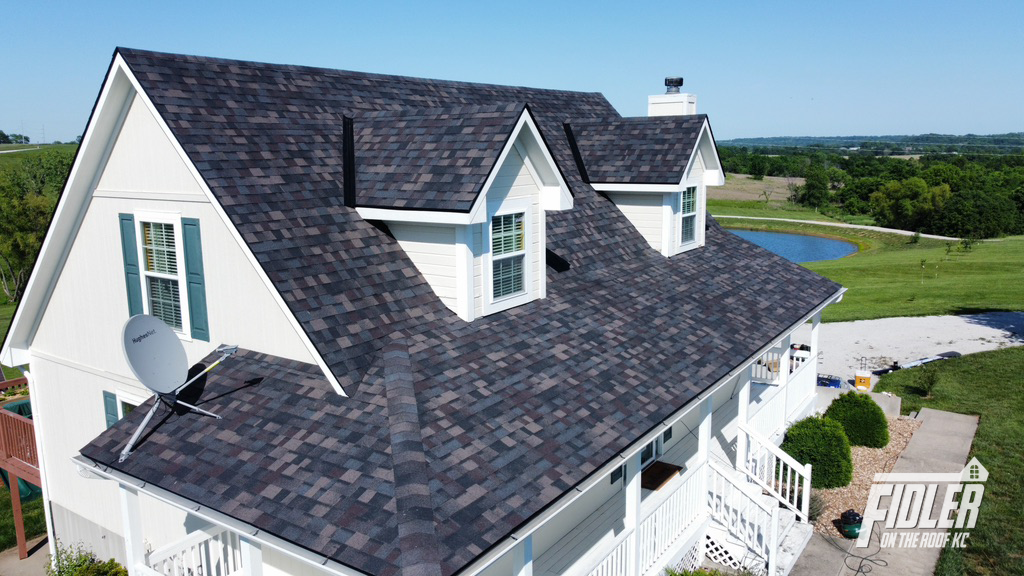
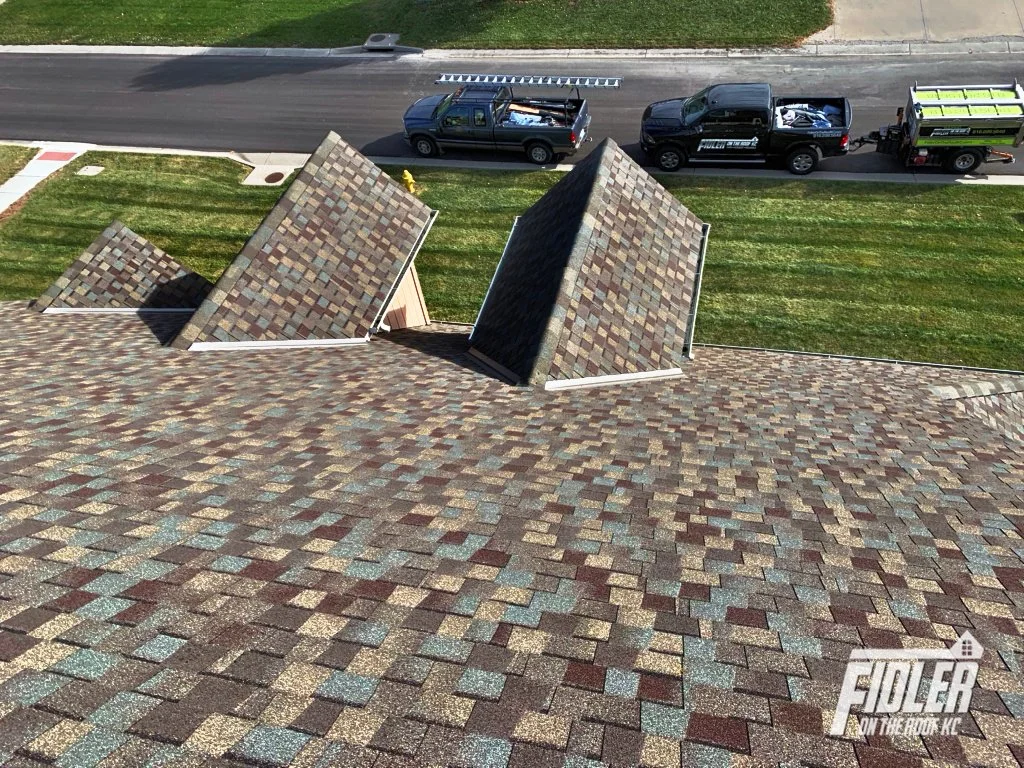
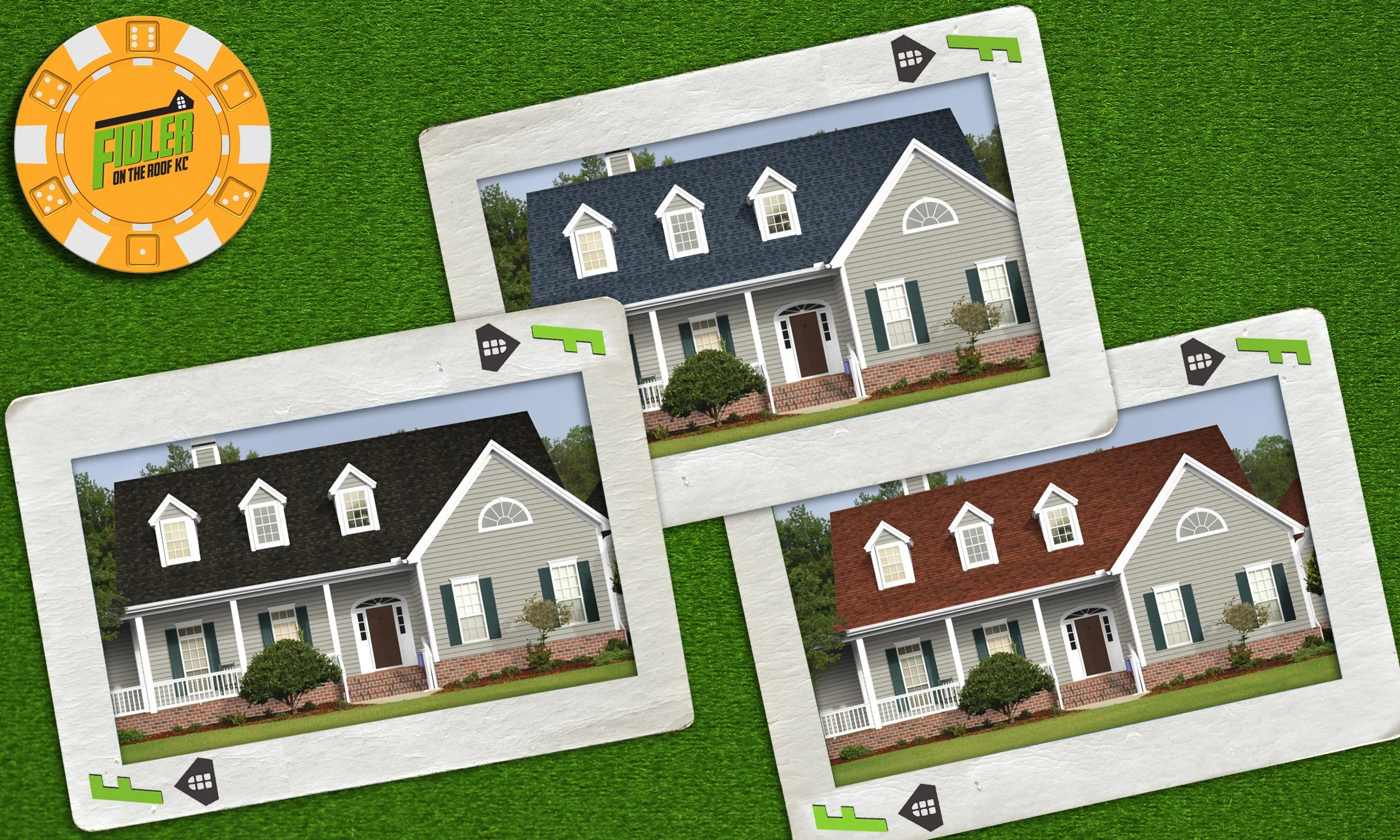
Despite their widespread use, composite shingles can still be distinctive. Auto icon Henry Ford once said customers could have any color of Model T – as long as it’s black. Homeowners may think the same is true of their roof. Yet these shingles are manufactured in a stunning variety of colors, patterns and textures. For a visual sample, use our tool from Owens Corning called DesignEyeQ that allows you to upload a photo of your home and see how different colors will appear on your residence.
In addition to aesthetics, we all must make budgetary decisions. For those who have cost as a primary concern, composite is excellent value. It can deliver the same protection as more expensive roofing options.
What about durability? All types of roofing – from tile to composition to metal – are rated for their ability to withstand, wind, hail and seasonal extremes. Composition roofing is available in the most highly-rated categories for impact, wind and fire.
Still trying to make up your mind? Here’s a list of benefits of composition roofing:
It requires no unique structural support; whereas tile, slate and cement need specially-engineered infrastructure.
It’s moisture resistant, deterring mold and algae.
It’s fire resistant.
Composition roofing is recyclable.
It’s budget friendly.
Composition roofs can withstand the worst of the elements, including hail, wind and rain.
They can be customized in an extraordinary variety of textures and colors.
Questions about composition roofing? Want to see samples? Contact us today.